Baby Cradle Initiative: A Lifeline for Newborns, A Step Towards Compassionate Society
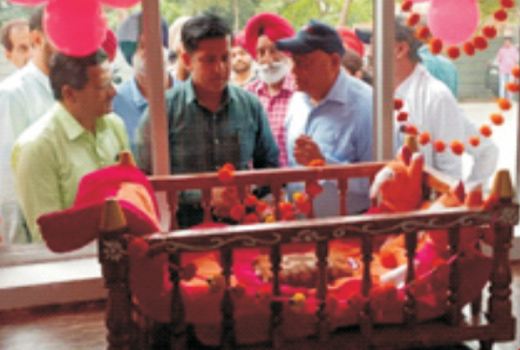
The Child Welfare Council of Gurdaspur, in collaboration with the district administration, has taken a compassionate and proactive step to address one of the most heartbreaking social issues—newborn abandonment. On 1st May 2025, the Council launched the Baby Cradle Project, providing a safe and anonymous option for parents who, due to tragic or difficult circumstances, are unable to care for their newborns.
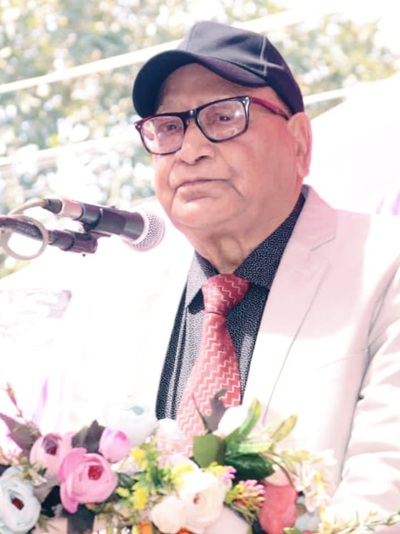
This vital initiative was officially inaugurated by Deputy Commissioner Dr. Himanshu Aggarwal, IAS, who, during the launch event, emphasized the critical importance of child welfare and the urgent need to protect the most vulnerable members of our society. His interaction with Mr. Romesh Mahajan, Honorary Secretary of the Child Welfare Council, further highlighted the shared vision and commitment to ensuring that no newborn is ever left in danger.
A Humane Alternative to Tragic Abandonment
It is heartbreaking to witness incidents where newborns are abandoned in unsafe places—left in dustbins, deserted streets, or worse—denied even the basic right to life. These tragedies are not only devastating for the innocent child but also a dark stain on society’s collective conscience.
The Baby Cradle initiative offers a hopeful solution. Instead of resorting to dangerous and inhumane alternatives, distressed parents can safely and anonymously place their newborn in a designated cradle. Once placed in the cradle, the child is immediately taken under the care of the district administration, ensuring their safety, health, and well-being.
The Vision of Mr. Romesh Mahajan: A Guardian of the Vulnerable
At the heart of this project is the tireless dedication of Mr. Romesh Mahajan, whose ongoing commitment to child welfare continues to transform lives across Gurdaspur. Known for his ability to turn vision into action, Mr. Mahajan has played a pivotal role in conceptualizing and executing this life-saving initiative.
Under his leadership, the Child Welfare Council has consistently worked to identify and address critical gaps in child protection. Mr. Mahajan’s philosophy is simple yet profound: “Every child deserves a chance to live, to grow, and to be loved.” This belief has been the driving force behind the Baby Cradle project.
He has worked extensively to not only establish the physical infrastructure for the cradle but also to create a supportive ecosystem around it. This includes raising awareness in the community, training caretakers, and establishing follow-up procedures to ensure the long-term safety and well-being of each child received through the cradle system.
A Community's Responsibility: Protecting Our Children
The Child Welfare Council urges all citizens to take part in this mission. Protecting the lives of newborns is not the responsibility of one organization or a handful of officials—it is a collective moral duty. By supporting the Baby Cradle initiative, each community member can contribute to a safer, kinder society.
Families, local leaders, educators, and healthcare workers are all encouraged to help share information about the cradle. The Council hopes to foster an environment where parents facing difficult decisions can feel safe, supported, and informed enough to choose the cradle over abandonment.
A Network of Care and Protection
Once a baby is placed in the cradle, a well-defined protocol is activated. The Child Welfare Council, with the assistance of district authorities, arranges immediate medical attention and care for the infant. The baby is then safely transitioned into a nurturing environment, either through foster care or the adoption process, ensuring that every child has the opportunity for a loving home.
The initiative is carefully monitored to uphold the child’s rights and dignity at every stage, from the moment they are placed in the cradle to the point they find a permanent home.