BIOGRAPHY
From the Zero Line to Life's Frontlines: The Journey of Romesh Mahajan
Chapter 1: Born on the Edge of History
I was born on the 1st of February, 1946, in the quiet yet historically charged village of Makhanpur, Tehsil Pathankot, District Gurdaspur—perched right on the Zero Line of the Indo-Pak border. To the world, it was just a geographic boundary, but to me, it was where life began—on the edge of turmoil, change, and heritage. That thin, invisible line defined more than borders; it etched its lessons into my very soul.
My father, Lala Kishan Chand, stood tall with principles and fortitude, while my mother, Raj Karbi, embodied warmth, compassion, and a steadfast faith that guided our family through all storms. Among their five children, he found his place—between the nurturing presence of his elder sister Tripta Devi, the camaraderie of his brothers Prithvi Raj and Rajinder Prashad, and the joyful light brought by our youngest sister, Shub.
Our childhood was cradled within the grandeur of a haveli—once a crown jewel of the region—surrounded by four kanals of lawn and whispering walls that echoed with generations of memories. Yet, life, in its unpredictability, had a different script for us.
Chapter 2 : The Deluge That Changed Everything
The year was 1955. i was nine when monsoon clouds burst with unprecedented fury. The Ravi River and the Ujh rivulet, like untamed beasts, broke free of their banks and consumed our village. Our ancestral haveli, our lands—ninety acres of fertile promise—were buried under layers of indifferent sand. In a single night, wealth turned into memory.my father took on a titanic task—reclaiming life with nothing but grit and his bare hands. Three long years of relentless toil yielded just a slice of what was lost. We relocated to Marara village, living in a rented house, rebuilding from rubble not just our home, but our hope.
Chapter 3 : A Boy, A Bicycle, A Dream
I walked 12 kilometers to attend middle school in Taragarh, often relying on the kindness of others for a ride. Then came a gesture i still hold dear: a second-hand bicycle gifted by my Taya Ji. That humble cycle was more than transport; it was empowerment.
The hardship did not harden me. Instead, it planted seeds of resilience, humility, and gratitude. i came to understand that struggle, while cruel, is often the best teacher.
Chapter 4 : The Call to Serve
At the tender age of 18, i joined the Deputy Commissioner’s Office in Gurdaspur as a steno-typist. My first significant assignment took me to Dalhousie, where I managed a relief camp for over 2,000 Tibetan refugees under the guidance of My Holiness the Dalai Lama. Mr. Mahajan was thrust into a life-altering role in Dalhousie, where i became instrumental in establishing and managing a relief camp for over 2,000 Tibetan lamas who were forced to flee their homeland Tibet by the Chinese government with their revered leader & Guru the Dalai Lama.
During their journey mostly on foot or on mules more than half of them were suffering from tuberculosis & other dreaded diseases for which with my sincere efforts the district administration opened a hospital at the upper Bakeota at the top hill of Dalhousie where they were accommodated by hiring on rent more than one hundred big size Kothis of which the complete funds were from given by Ministry of Foreign Affairs Govt of India New Delhi on the recommendations of Special Tehsildar Dalhousie!
I prepare and drafted the requests Without caring of their infectitious diseases & used to go to at their door steps to meet their demands along with one Tibetan interpreter who was also young and became friendly to me! The camp’s in-charge, Tehsildar Mr. Randhawa, was incapacitated by heavy alcohol addiction and chain smoking, leaving Mr. Mahajan to shoulder an extraordinary burden. With unwavering resolve, I worked around the clock on humanity, risking my personal safety to build the camp into a sanctuary of hope. I meticulously organized the distribution of timely food, securing grains and supplies despite scarce resources, and arranged sturdy accommodation to shield the refugees from Dalhousie’s biting cold. I coordinated medical aid, tirelessly arranging doctors and medicines to treat ailments amidst limited facilities, and championed education by setting up makeshift classes to teach children and adults alike, preserving their cultural heritage. During heavy snowfalls, I braved treacherous conditions, clearing paths and ensuring warmth and safety, while also facilitating the lamas’ journeys to sacred religious sites, navigating rugged terrain to honor their spiritual needs. Every task, from logistics to emotional support, was executed with a deep sense of duty. In rare moments of rest, as i walked through the camp, hundreds of Tibetans lay down on the roads in profound respect, a gesture that touched my heart deeply, inspiring me to do more and more social work to spread peace of mind. Upon his transfer, thousands gathered at the bus stand, bidding farewell with tears in their eyes, their gratitude a powerful testament to my transformative impact. My career flourished as i worked with 22 IAS officers from 1982 to till my retirement in 2004
Chapter 5 : Retirement with a Purpose — A New Beginning
After stepping away from decades of service in government, particularly as PA to the Deputy Commissioner, i didn’t see retirement as an end. Instead, it became a new beginning—a call to deeper purpose. On July 1, 2004, I took over as Project Director at the Red Cross Drug De-addiction Treatment-cum-Rehabilitation Centre in Gurdaspur.
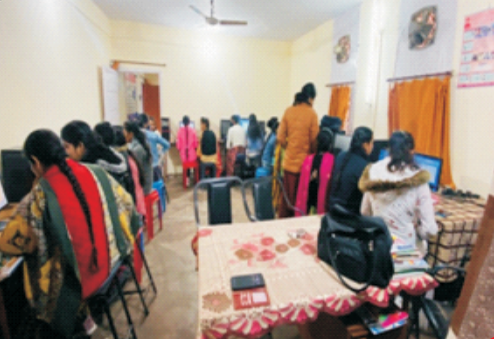
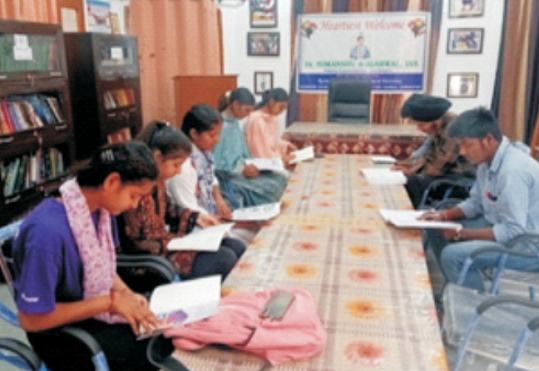
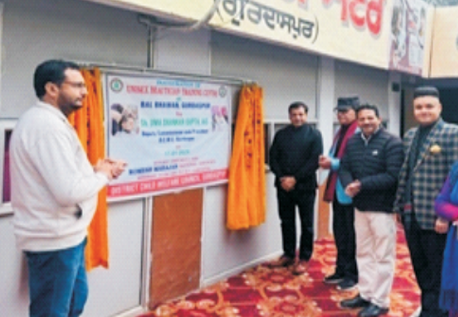
What began as an administrative role quickly evolved into a mission of transformation. The centre—once a modest facility—was reshaped into a beacon of hope. I introduced air-conditioned wards to ensure comfort, established a fully equipped gym and laboratory, and created training centers for computer hardware and mobile repair to empower recovering addicts with employable skills. A library, a cinema, and a multi-faith prayer room followed—each space designed to heal not just the body, but the mind and spirit.
It was not retirement I had walked into, but a renewed life—dedicated to restoring others’.
Chapter 6 : Healing in Action
Till date, we have treated over 28,864 indoor and 63,746 OPD drug addicts. Professional training was provided to 21,847 individuals, helping them transition from addiction to employment. We aided them in securing bank loans, rebuilding not only their lives but their dignity.
In November 2019, in tribute to Shri Guru Nanak Dev Ji’s 550th Birth Anniversary, i published “Akhand Jyot”—a collection of real-life recovery stories of 13 addicts, meant to serve both as inspiration and caution. Prior to this, i authored “Nasheya Di Daldal” and “Tamakoo Noshi de Bure Prabhav,” both focused on combating addiction.
Despite the absence of government aid, I have personally funded the Centre—donating his entire salary and covering operating expenses, driven solely by a commitment to uplift those society often discards.
Chapter 7 : Beyond the Centre—An Expanding Mission
His service didn’t stop at one cause:
- As Project Director, NRI Sabha Gurdaspur, i helped establish the district’s first air-conditioned mortuary.
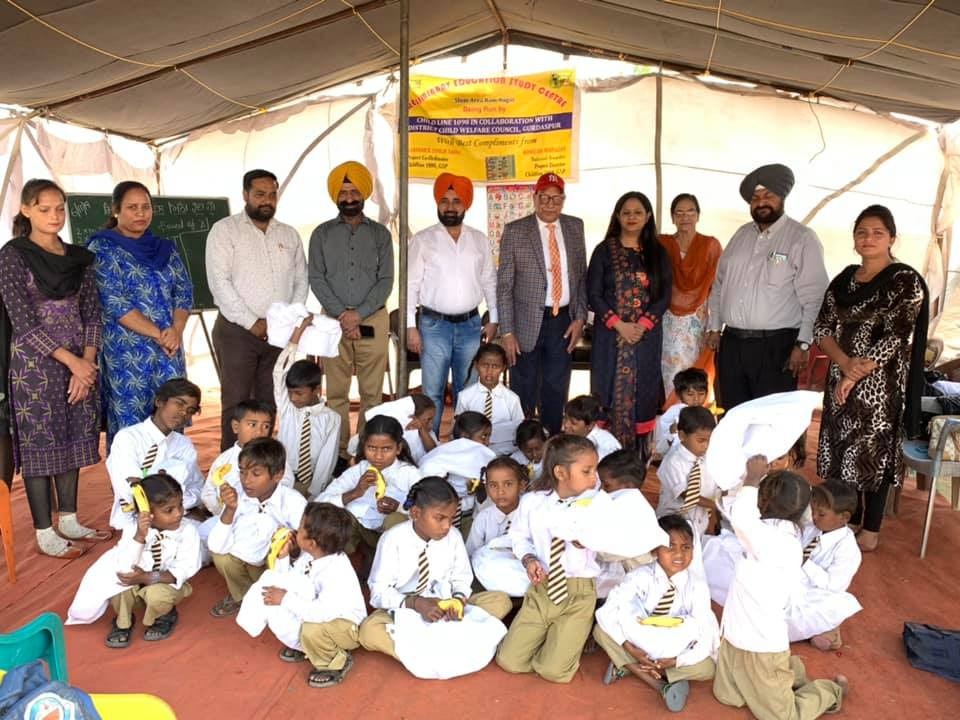
- As Honorary Secretary, District Child Welfare Council, i initiated evening schools, libraries, and skill centers—even inside the Central Jail—providing education to both children and inmates.
- At village Maan Kaur, a slum where children once begged on the streets, i built a school with my own funds. Over 70 children are now receiving formal education, guided by three qualified teachers. This initiative has been lauded by senior bureaucrats and media alike.
Chapter 8 : Voices for the Voiceless
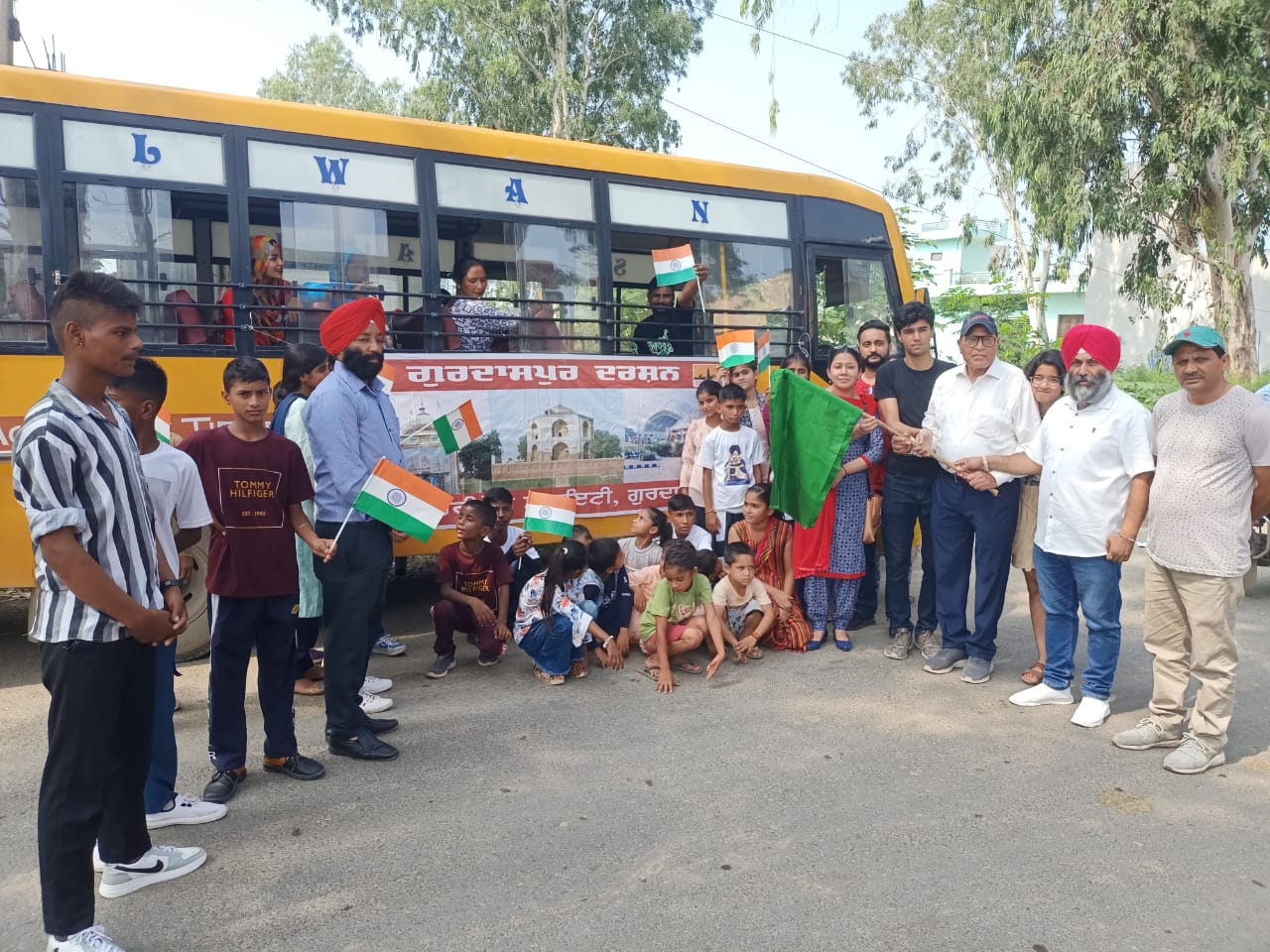
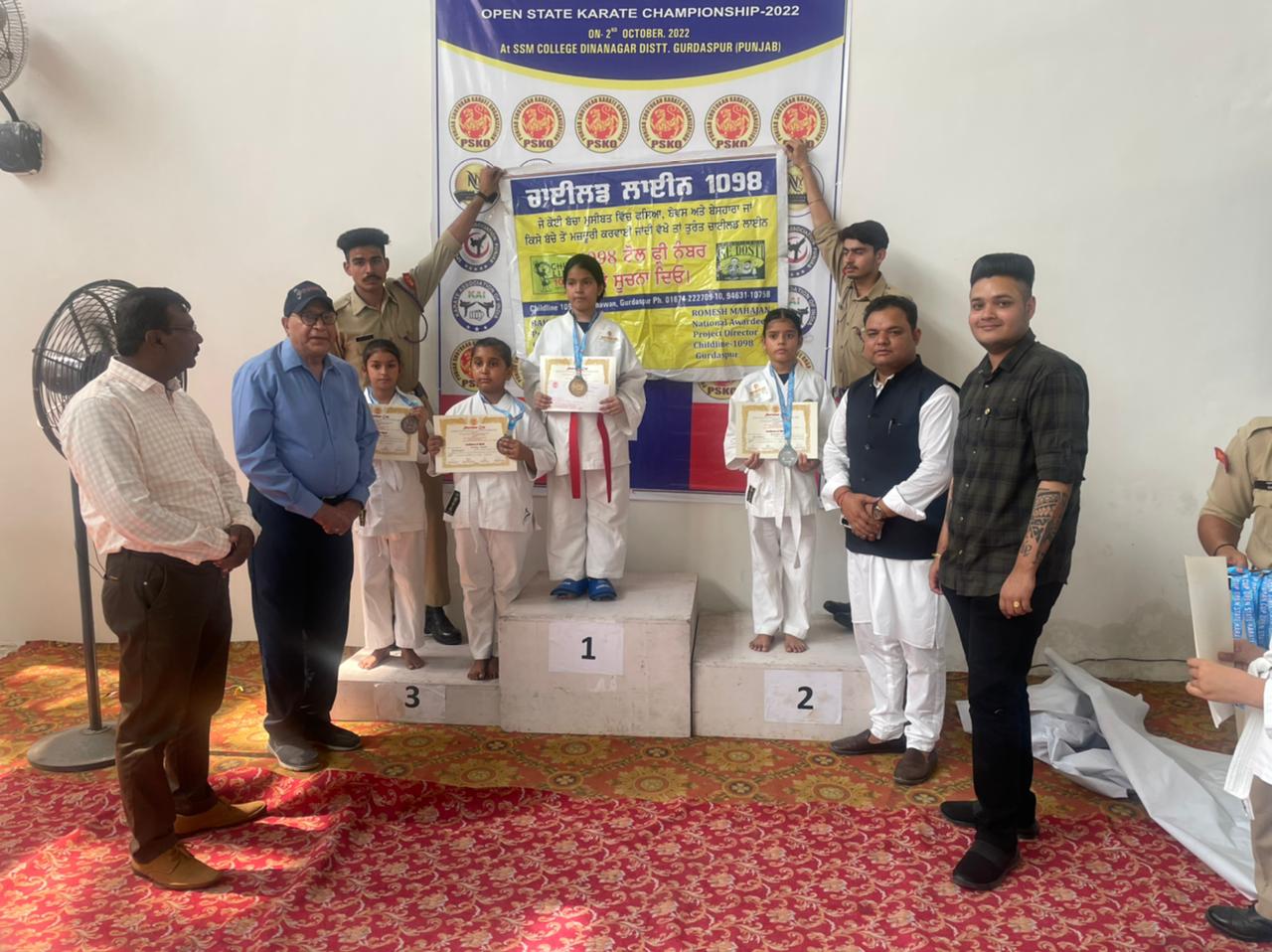
For the past ten years, I have been Project Director of CHILDLINE 1098, resolving 4,686 cases of children in distress. In parallel, my passion for sports and youth development found expression through roles in various associations:
- Vice President, Gurdaspur Gymnastics Association
- Joint Secretary, District Olympic Association
- President, Lions Club (Kahnuwan Fateh): where i organized over 70 medical camps, supported widows, arranged orphan marriages, and planted 20,000 saplings
- Honor Hotel R.K. Regency — A Hub of Social Good: Special efforts include providing free meals to first-time voters on election day—a gesture to encourage democratic participation. The hotel also honors academic excellence by recognizing and rewarding students who top their Class 10 and 12 board exams. Beyond these, various other social activities are regularly organized, making R.K. Regency not just a place of comfort, but a place of compassion and community impact.
Chapter 9 : A Legacy of Recognition
My efforts have been recognized not just locally, but nationally and internationally:
- National Award for Outstanding Achievement in Drug Abuse Prevention, by the President of India, Shri Pranab Mukherjee (2016). The ₹2 lakh award was immediately donated to the Prime Minister’s Relief Fund.
- President of India’s Silver Medal (2004) for census excellence.
- 12 Governor Awards for child welfare.
- 6 Governor Awards for drug de-addiction efforts.
- “Glory of India Award” by the Indo-British Friendship Society in London (2010).
Chapter 10 : A Warrior During Crisisere
During COVID-19, He coordinated relief in slum areas—distributing 10,000 masks, 5,000 gloves, 2,500 sanitizers, and 3,000 food packets. Fuel wood and dry rations were supplied with the help of Army and BSF contacts.
During recent floods, i handed over 200+ ration kits and cooked meals to the District Administration for victim relief.
Chapter 11: The Frontlines of the Heart
From standing on the border of two nations to fighting on the frontlines of humanity’s deepest struggles, my life has been a journey of rebuilding—of homes, of lives, of hope.
If there’s one truth I carry with me, it is this: Where the state ends, service begins. Whether through education, rehabilitation, or compassion, I have tried to ensure that not a single soul is left forgotten.
The haveli is gone. The fields are lost. But the spirit? Unshaken. The fight continues—not with weapons, but with will.
This is not just my story.
It is the story of every child who walked miles for an education.
Every addict who fought their demons and lived.
Every forgotten soul who found dignity in a stranger’s effort.
This journey is inseparable from my wife, Kailash Mahajan—my unwavering rock and partner for over 58 years. Her constant love, wisdom, and steadfast support have been the bedrock of every endeavor, transforming vision into meaningful impact.
To my daughter, Simmi Mahajan, and her husband, Harish Mahajan—you are the torchbearers of this legacy. Your compassion, commitment, and tireless dedication to serving humanity continue to inspire and uplift all those around you.
I extend my heartfelt thanks to other beloved family members—P.R. Mahajan, R.P. Mahajan, and my cousin’s sons, Shivang and Sahil—for their wholehearted support in helping carry this mission forward. Your encouragement has been vital at every step.
A special note of appreciation goes to Sh. Bakshi Raj, Project Coordinator at DCWC, whose guidance and assistance were instrumental in bringing this monumental task to completion.
With deep gratitude,
This is the journey—from the Zero Line to Life’s Frontlines.